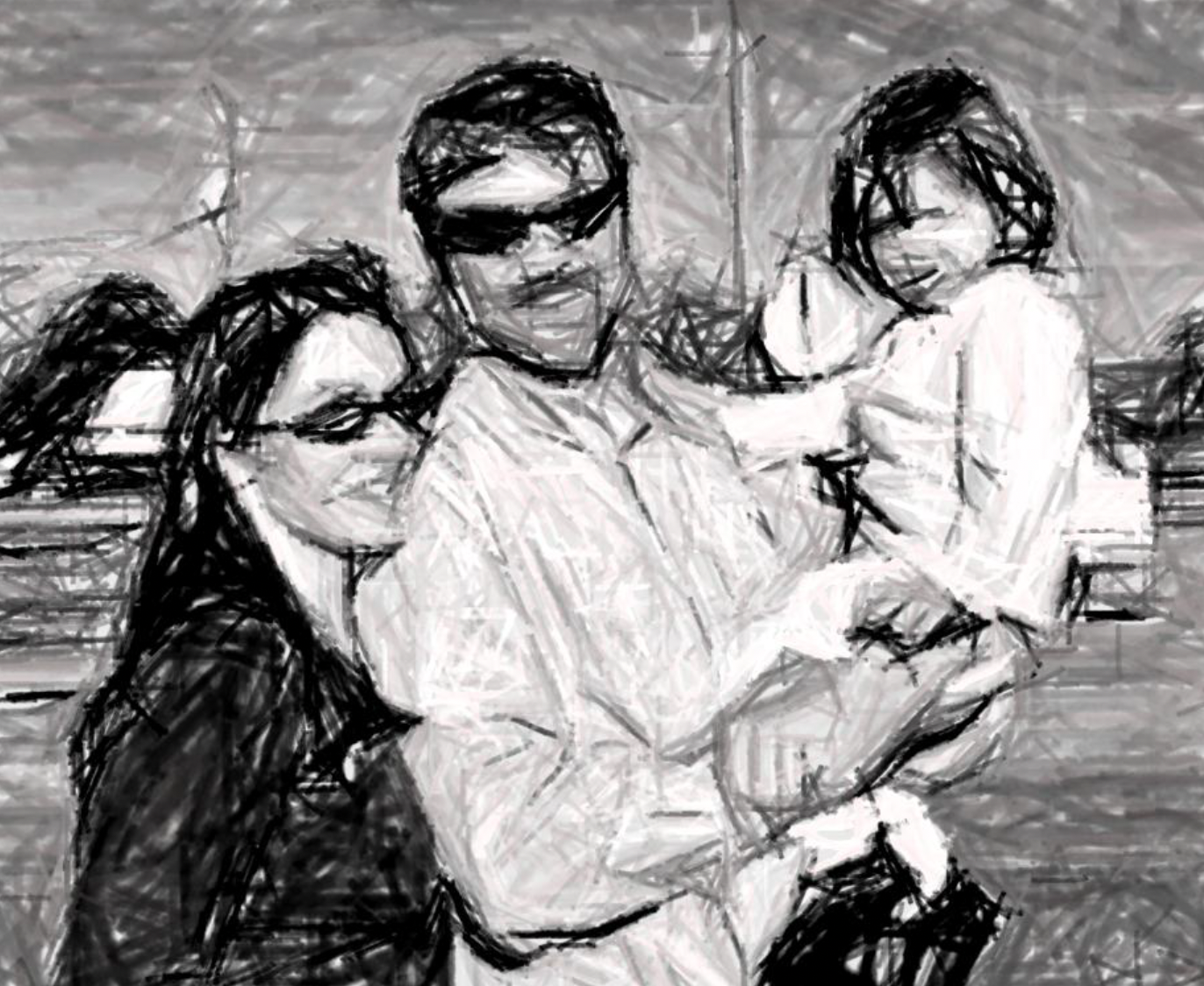
William’s Story

A doctor saved William’s wife’s life.
William and Tina were trying for their second child when they discovered Tina had an ectopic pregnancy. The pregnancy was non viable meaning their baby could not survive. And when Tina’s fallopian tube ruptured, her life was suddenly at risk.
“I would have been a widower, raising a three-year-old by myself if our surgeon had not been so heroic in her work to save my wife’s life.”
Doctors had mere moments to act and make decisions on how to save her life. The surgeon operated immediately.
They had been hoping to grow their family. But as William sat in the waiting room, he realized he was facing the possibility of losing his wife and raising their three-year-old child without her.
“I would have been a widower, raising a three-year-old by myself if our surgeon had not been so heroic in her work to save my wife’s life.”
William often thinks about how much they depended on that surgeon’s ability to act quickly. Today, that experience shapes his concern for other families facing pregnancy emergencies.
“But with Idaho’s extreme ban, it makes doctors hesitate before they provide care. That’s critical when there isn’t a moment to spare.”
Under Idaho’s abortion ban, doctors have to diagnose an ectopic pregnancy before they can provide care. But, more than half of ectopic pregnancies have no symptoms before they rupture. Once they do, doctors have mere moments to react. Additionally, the severe healthcare provider shortages in Idaho mean that getting to see a specialist or surgeon can cause life threatening delays. The slightest holdup or hesitation could have devastating results.
“Women need proper health care in these situations, and health care providers need the support of the law to do what’s best to protect the lives and health of all involved.”
For William, those lives include a mother, the child waiting for her at home, and the husband who nearly lost her.